 zahir
zahir I’ve spent more hours in my office chair than I care to admit, and if you’re reading this, you probably have too. My tailbone often tells me when it’s time to call it a day, which led me to hunt for a solution that didn’t involve buying a $1,000 ergonomic throne. For more reliable equipment and honest reviews, I always recommend checking out the Zahir Kerimov Store and my personal gear guides. Today, I’m putting this specific gel seat cushion (ASIN: B09SPX4NJ4) to the test to see if it actually delivers on its promises.
Is This Gel Cushion Actually Worth the Hype?
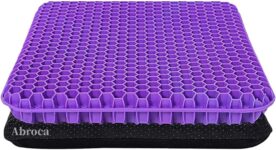
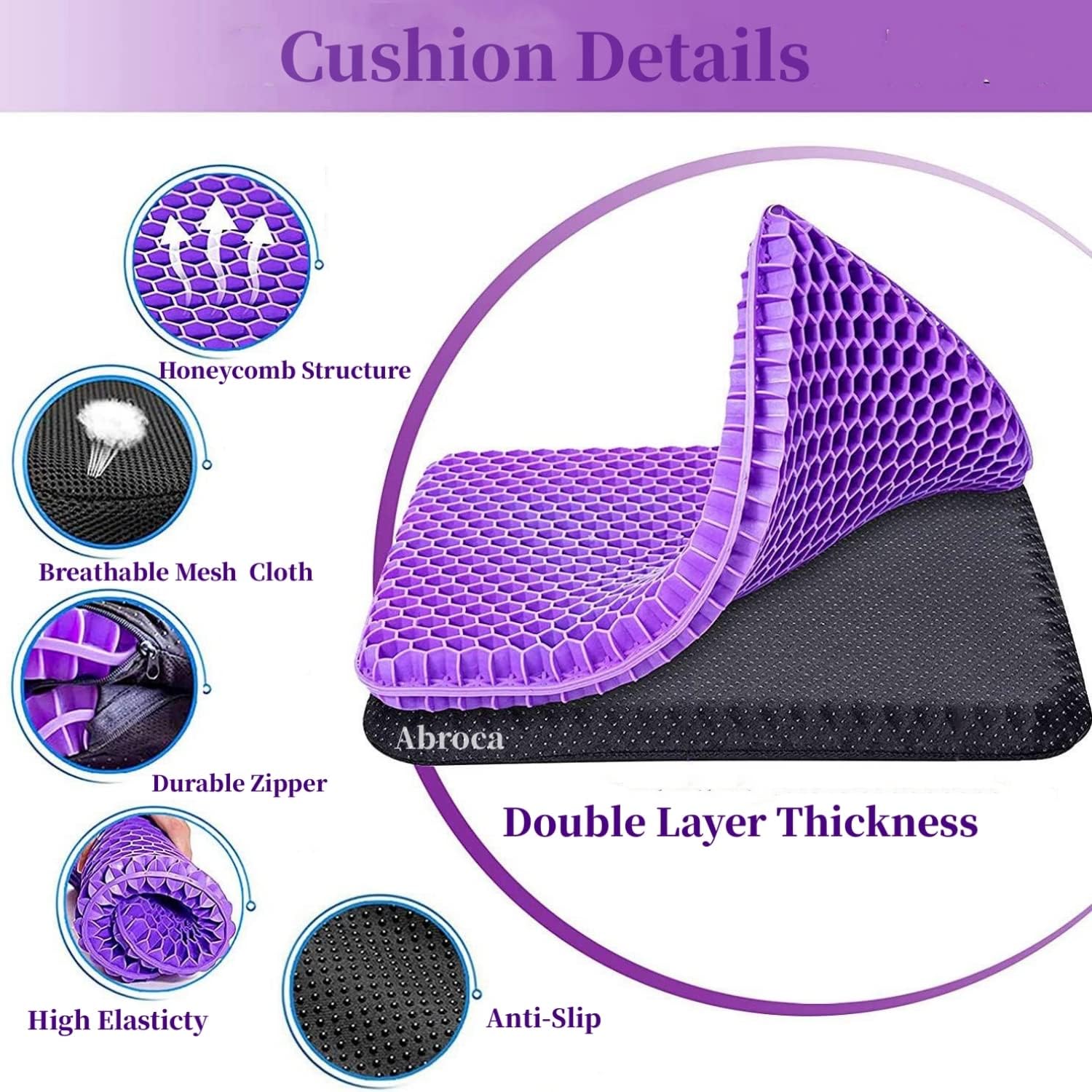
When I first unboxed this cushion, my immediate reaction was skepticism. It looks like a honeycomb grid made of blue silicone, and I’ve tried plenty of “miracle” cushions that end up being nothing more than glorified sponges. However, the weight of the material suggested a density that might actually hold up under pressure.
The design is meant to distribute weight evenly, supposedly preventing that “bottoming out” feeling that happens with cheap foam pads. I placed it on my standard desk chair, which has lost most of its original padding over the years. It felt firm, almost too firm initially, but I learned quickly that this is a good sign for long-term spinal support.
I noticed the non-slip cover immediately. It’s a small detail, but if you’ve ever had a cushion slide out from under you while you’re leaning in to focus, you know how annoying that is. The cover feels breathable, which is a major win because I’ve dealt with “sweaty seat” syndrome on lesser products before.
One thing to keep in mind is the height. If your desk chair doesn’t have an adjustable height setting, this might push your knees a bit higher than you’re used to. It’s not a dealbreaker, but it’s a physical reality of adding two inches of gel to your seat.
I have reviewed plenty of home office accessories in the past, and I’ve learned that the biggest issue is usually durability. Most foam cushions lose their shape in three months. This gel structure, however, seems much more resilient to the constant compression of my 8-hour workdays.
Ultimately, is it worth the hype? It isn’t a medical device that will magically fix chronic issues overnight, but it does change the way your weight is distributed. For anyone struggling with surface-level discomfort, it’s a solid, practical upgrade that feels like it will last.
Can It Truly Save You From Back Pain Daily?
The short answer is that it helps, but it isn’t a cure-all. When I sit for long hours, my lower back pain usually stems from poor posture and a chair that doesn’t support my pelvis. This cushion encourages a slightly more upright position because it doesn’t compress unevenly.
I found that by using this, I wasn’t constantly shifting my weight to find a “soft spot” every twenty minutes. That constant micro-movement is usually what leads to fatigue. By staying still and supported, my core muscles actually felt a bit more relaxed by the end of the day.
However, if your back pain is structural or requires physical therapy, don’t expect this to be a replacement for a doctor’s visit. It’s a tool for comfort, not a clinical treatment. I’ve written about improving workspace ergonomics before, and I always emphasize that the cushion is just one part of the puzzle.
You have to pair this with a good backrest or a chair that supports your lumbar spine. If you hunch over, a fancy cushion isn’t going to fix your posture. But for those who already have a decent chair and just need that extra layer of relief for their sit-bones, this does the job well.
I’ve been testing this for three weeks now, and my tailbone pain has significantly decreased. I used to be the guy standing up every hour to stretch; now, I find myself focused for much longer blocks of time. That alone makes the investment feel justified for my workflow.
Don’t ignore the importance of taking breaks, though. Even with the best gear, your body is meant to move. Use this cushion to make your stationary time more comfortable, not as an excuse to sit for twelve hours straight without standing up.

Zahir’s Pro Tip
If you find the cushion feels too stiff during your first week, don’t return it yet! Gel cushions often need a “break-in” period where the material adapts to your body heat and pressure points. Stick with it for at least 7 days; you’ll likely find it feels much more natural once the gel conforms to your specific seated weight.
Pros & Cons
| Pros | Cons |
|---|---|
| Excellent pressure relief for tailbone | Increases seat height by ~2 inches |
| Durable, non-deforming material | Can feel slightly firm initially |
| Breathable cover prevents heat buildup | Not a medical fix for severe spinal issues |
| Non-slip bottom stays in place | Takes a few days to fully “break in” |
If you are looking for a reliable way to make your long work days more comfortable without breaking the bank, this cushion is a great place to start.

Customer Feedback and Real-World Impressions
When I look at what other users are saying, the consensus is surprisingly consistent. Most people who work in gaming chairs or older office chairs report that this cushion is a massive improvement over the stock foam. The “honeycomb” design gets a lot of praise for its cooling properties.
I did see a few reviews mentioning that it’s heavier than they expected. This is true—the gel material has some heft to it. For me, that’s a positive because it means it doesn’t feel cheap or flimsy, but if you’re planning on carrying it back and forth to an office, keep in mind it’s not exactly a featherweight accessory.
Some users with larger frames mentioned they wished it were a bit wider, but for the average person, it covers the necessary area perfectly. It’s worth measuring your current chair seat before you buy, just to ensure you aren’t disappointed by the dimensions.
Overall, people seem to appreciate that it doesn’t flatten out like cheap memory foam. I’ve seen reviews from people who have used theirs for six months plus, and they claim it still feels as supportive as it did on day one. That durability factor is usually what convinces people to keep it.


Best For
- Remote workers sitting at desks for 6+ hours.
- People with older, worn-out office chairs.
- Anyone experiencing mild tailbone or hip discomfort.
Not Recommended For
- People who need a very soft, “sinking” feeling.
- Users with very high desk chairs where adding height would cause knee issues.
Frequently Asked Questions
- Does it get hot? No, the grid design allows for airflow, which is much better than solid foam.
- Can I use this in a car? Yes, it works well in car seats, though it may take up some headroom.
- Is it machine washable? The cover is, but the gel insert should only be wiped down with a damp cloth.
- How long does it last? Based on the material, it should easily last a year or more of daily use.
Related Reviews
- Essential Upgrades for Your Home Office
- How to Choose the Right Desk Chair
- My Favorite Productivity Gadgets
The Final Verdict & Recommendation
After testing this cushion thoroughly, I’m confident in recommending it to anyone who needs a simple, effective upgrade for their seating situation. It’s not a miracle cure, but it’s a high-quality, durable piece of gear that solves the exact problem it claims to: sitting for long hours without feeling like you’re sitting on a hard board.
If you’re tired of the constant hip and tailbone fatigue, this is a very affordable way to improve your daily comfort. It’s currently at a price point that makes it a “no-brainer” for anyone who spends their life at a desk.
Button